Keeping the mind active becomes increasingly important with age. Research shows that participating in regular brain health activities for seniors can support memory, encourage engagement, and contribute to overall well-being. Whether with a loved one or within a senior living community, simple daily programs can help older adults stay mentally stimulated.
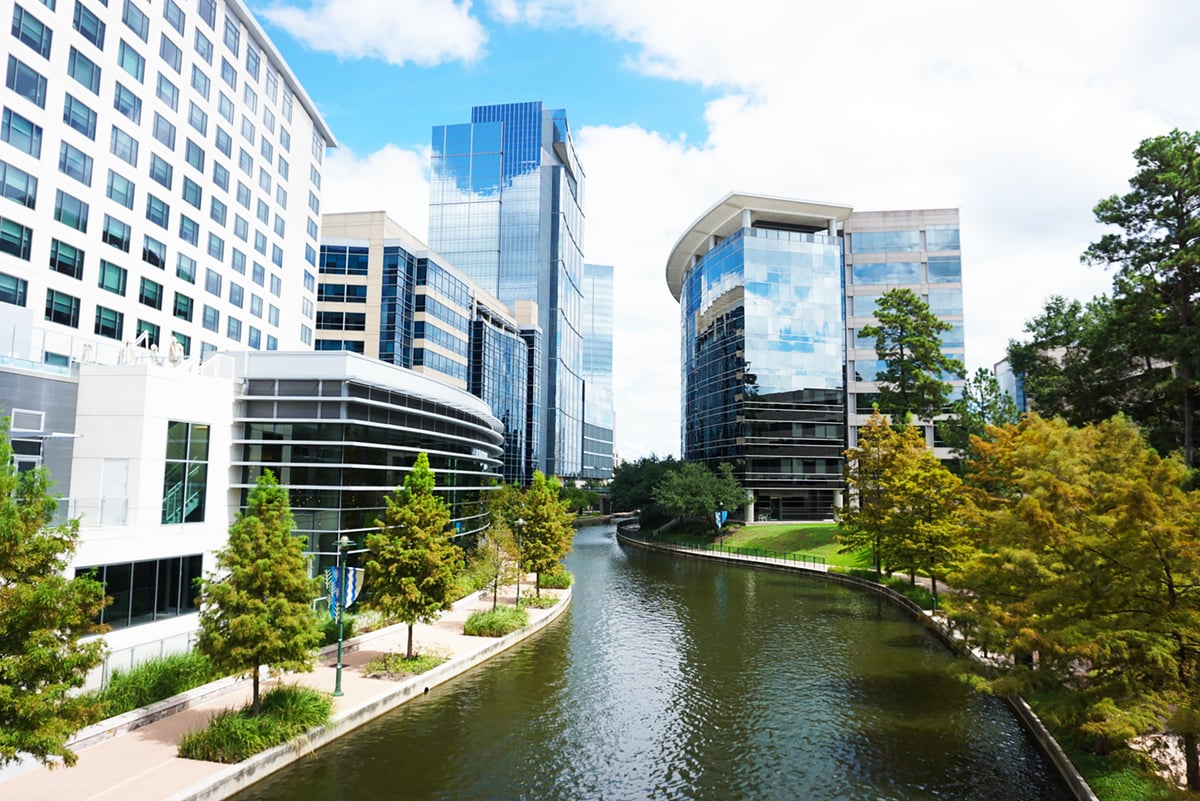
At The Forum at The Woodlands, engaging daily programs, welcoming gathering spaces, and opportunities for social connection boost mental and social involvement. From group events to quiet hobbies, a variety of cognitive activities for seniors lead to fulfilling, purpose-driven days.
The key to cognitive wellness is variety. Creative expression, learning opportunities, and social interaction all challenge the brain in different ways while keeping life interesting and enjoyable.
1. Puzzle Solving and Brain Games
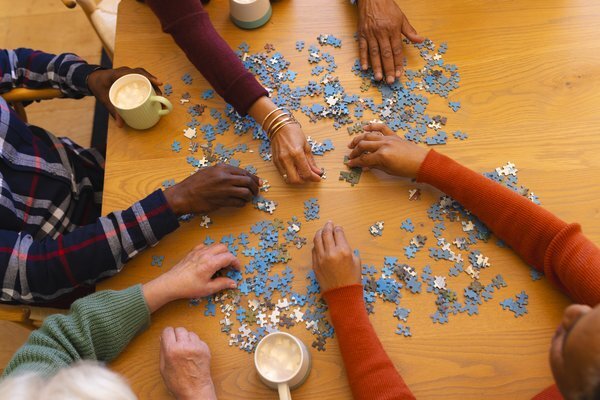
Classic puzzles remain some of the most popular senior brain games because they challenge problem-solving skills, memory, and pattern recognition. Many senior living communities offer puzzle collections or casual game tables for residents and their friends.
The goal is to find puzzles that are stimulating but not frustrating. A balanced challenge encourages focus and satisfaction.
Examples include:
- Crosswords and word puzzles that strengthen vocabulary and memory
- Sudoku and number puzzles that improve pattern recognition
- Jigsaw puzzles that support spatial reasoning and visual recall
- Digital brain-training games with adjustable difficulty levels
2. Learning New Skills
Trying something new is one of the most effective ways to keep the brain active. Learning a new hobby or subject helps build neural pathways and encourages cognitive flexibility.
Many senior living communities introduce residents to new interests through workshops and group learning experiences. At communities like The Forum at The Woodlands, programming often encourages curiosity while creating meaningful social connections.
Examples of engaging learning opportunities include:
- Learning to play a musical instrument
- Studying a new language
- Exploring painting, pottery, or other creative arts
- Participating in cooking demonstrations or computer classes
3. Reading and Book Clubs
Reading supports concentration, language skills, and memory while providing entertainment and emotional enrichment. Book clubs add another dimension by encouraging conversation and thoughtful discussion.
Residents who participate in reading groups often enjoy sharing perspectives and exploring new topics together. For individuals with vision challenges, audiobooks offer a helpful alternative while still providing strong cognitive stimulation.
4. Music and Creative Arts Programs
Creative expression stimulates multiple areas of the brain simultaneously. Music, art, and hands-on crafts can spark memories, improve mood, and provide a powerful outlet for creativity.
These types of memory care activities are especially meaningful for residents living with dementia. Music and artistic expression often remain accessible even when other cognitive abilities change.
Creative programs may include:
- Painting, drawing, or sculpture projects
- Music listening sessions that inspire memories
- Group singing or rhythm-based programs
- Simple instrument exploration for coordination and enjoyment
5. Movement Programs with Cognitive Benefits
Programs that combine physical movement with mental engagement offer dual benefits. Physical exercise increases blood flow to the brain while cognitive challenges support focus and memory.
These programs demonstrate how to keep seniors engaged both mentally and physically.
Examples include:
- Tai chi sessions that involve remembering movement patterns
- Dance classes that follow rhythm and choreography
- Walking groups that include observation or discussion prompts
- Group fitness classes that integrate coordination and memory cues
6. Social Engagement and Conversation
Regular conversation plays an important role in maintaining cognitive function. Social interaction requires listening, recalling information, and responding thoughtfully. All of these exercise the brain.
At The Forum at The Woodlands, shared meals, resident gatherings, and community events provide natural opportunities for meaningful interaction.
Social programs at the community include:
- Book‑based discussions and social clubs, such as a popular weekly Forum Book and Sip Club that encourages conversation and connection
- History‑focused group programs, including an ongoing historical fiction series that brings residents together around storytelling and shared discussion
- Weekly social gatherings, like Happy Hour with live entertainment, offering relaxed opportunities to connect with neighbors
- Supportive resources for residents and families, including an in‑person dementia support group hosted in partnership with the Alzheimer’s Association
7. Strategy and Card Games
Card games and board games are excellent cognitive activities for seniors because they require strategy, concentration, and memory recall. Games like chess, checkers, and bridge challenge the brain while encouraging laughter and social interaction.
Game nights are also adaptable. Rules and pacing can easily be adjusted so residents of different experience levels can participate comfortably.
8. Gardening and Nature programs
Gardening blends physical movement, planning, and sensory stimulation. Deciding what to plant, remembering watering schedules, and observing seasons create gentle cognitive challenges.
Nature-focused programs may include:
- Caring for community garden beds
- Tending indoor plants
- Nature walks and outdoor observation
- Seasonal planting or flower arranging
In communities like The Forum at The Woodlands, outdoor spaces and landscaped grounds can provide relaxing environments that encourage residents to spend time in nature.
9. Cooking and Baking Experiences
Preparing meals or baking treats requires multiple cognitive skills at once. Residents read recipes, measure ingredients, follow steps, and manage timing.
These familiar tasks often spark meaningful memories and conversations. Cooking programs also bring residents together to share meals and traditions.
Group cooking experiences often encourage:
- Memory recall through family recipes
- Planning and sequencing steps
- Collaboration and conversation
- Sensory engagement through smells and flavors
10. Technology and Digital Engagement
Learning to use digital tools can open new opportunities for mental stimulation. Tablets, smartphones, and computers allow residents to stay connected with family, explore hobbies, and access educational content.
Technology programs may include:
- Video calls with loved ones
- Online classes or virtual museum tours
- Digital games to support cognitive engagement
- Simple technology workshops led by community team members
Supporting Brain Health in Daily Life
Supporting cognitive wellness does not require complicated routines or expensive equipment. The most effective approach is encouraging programs that align with a person’s interests while offering gentle mental challenges.
Whether through senior brain games, creative programs, or meaningful social engagement, regular cognitive stimulation can help older adults stay involved and connected. Many senior living communities, including The Forum at The Woodlands, design their daily programs with these goals in mind so residents can continue learning, connecting, and enjoying life.
If your family is exploring supportive senior living in The Woodlands, TX, The Forum at The Woodlands offers welcoming community spaces, engaging programs, and compassionate support.
Find compassionate care tailored to your loved one's needs at The Forum at The Woodlands. Schedule a personalized tour and learn how we can support your family.